 |
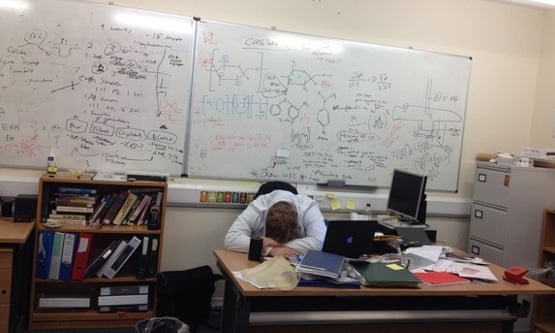
| Step away from the desk (Nathan Flood/GuardianWitness) |
As numerous articles on this network have stated, it can be tough doing a PhD: you might not have the best relationship with your supervisor, you might be poor, you might be overworked.
We all know that it’s getting increasingly tough to get a lecturing job or a postdoctoral position.
Here are some tips to make the most of your time as a postgraduate. Being smart about how you approach things is key, especially if you aren’t sure whether you want to stay in academia.
The importance of getting published goes without saying, as does the need to focus on your thesis, so here are some other ideas to help you enjoy the opportunities available to PhD students.
1. Network and get online
I hate the word (Caroline Magennis has written a great piece on this – she’s also on Twitter), but it is important and, if you love your research, it can be fun. It’ll also help with those feelings of isolation. Get on Twitter. There’s loads on there, including engaged researchers in your area, commentators on academia and job postings you might not see otherwise. Obviously the top tweeters will depend on your field, but good places to start are @jobsacuk, @thesiswhisperer, @WetheHumanities, @ANU_RSAT, @ThomsonPat, #ECRchat and #PhDchat on Twitter. Another fantastic resource for PhDs and early career researchers from any subject is Nadine Muller’s blog.
2. Conferences
Now this one is obvious, but it pays to be strategic. There’s no point applying to go to five in one summer (or even worse, in your final year). You won’t get enough of your thesis written and you’ll be stressed all year. Plan to work your way up: start with one or two postgraduate conferences in your first year and work from there. I find it works to balance big, important national and international ones in your subject with small, intimate ones where you’ll present to a room full of experts in your field who will give you better feedback, networking and publishing opportunities. Don’t be afraid to put together a panel. Start with fellow postgraduates. At a later stage, get in touch with researchers who you respect in your field about putting together a panel. They can only say no (and most will be flattered to be asked). Enquire to see if the organisers have any bursaries or travel awards for postgraduates - and if they do, make sure you apply.
3. If you can, teach and get a Higher Education Academy accreditation for it
Try and get some teaching in your department. If it isn’t offered to PhDs, ask your supervisor if you can shadow them for a few classes. Try and lead one or two tutorials, or give a lecture. You could also ask neighbouring universities if they’re looking for someone to teach (this is a good thing to do towards the end of the PhD when you’re looking for work). Attend training seminars hosted by your university. Try and get HEA accreditation at associate fellow level if you get some teaching experience.
4. Host a symposium, conference or workshop
It doesn’t have to be a massive, multi-panel, three-day affair. A simple day or half day, hosted with a fellow PhD or early career academic will suffice. You’ll get to meet people who share your passion for your subject and get in touch with academics whose work you really admire. Plus, you’ll probably have to apply for funding and this is excellent in itself (see below). It’ll also give you some handy administrative experience, which seems to keep cropping up on academic job adverts these days.
5. Apply for funding
Just try first for little pots to host a conference; go on a research trip; develop a skills training workshop; a visiting fellowship at a library. If you want to continue in academia, you’ll have to really perfect your grant writing skills, so you might as well start as soon as you can. Start small, it all adds up. Practice makes perfect. Try your university, any national association for your subject or the research councils. Ask people who you respect to look over your funding applications and reward readers with cake.
6. Do some outreach work
One of the most enjoyable aspects of my postgraduate study has been the work that I’ve done with our widening participation department and Contact the Elderly. As this blog post suggests, we need to wrestle impact back from the Research Excellence Framework. In England, the very aptly named Brilliant Club do great work. Get in touch with museums, art galleries, schools, cinemas, festivals - they will be so keen to hear from you and there will be a chance to do something creative and rewarding with your research.
7. Host an event for other postgraduates
While writing is a solitary process, there’s no need to be lonely. Put those funding application skills to practice again and apply for some money to do something for your fellow postgraduates. Run a workshop that allows you to get skills training that is catered to your needs. Take the time to get to know your fellow postgraduates: they will be your peers, your friends, your support network and potential collaborators.
8. Run a project
Here’s where you can bring everything together: learn how to cultivate your time management skills; translate your research into different spheres; develop blogs and websites; make key contacts inside and outside of academia; work with the public. If you aren’t planning on an academic career or just want to cover your back, honing these sorts of skills is invaluable.
9. Be interdisciplinary, go to other seminars in your university
Despite specialising in literature, I found it hugely valuable to attend the excellent modern Irish history and diaspora studies seminars at the University of Edinburgh. Interdisciplinary is a trendy buzz word, but venturing outside your subject area gives you new research angles and helps you make other contacts. If you have a gap in your research armour, ask if you can audit an appropriate master’s level course.
10. Develop a thick skin
The only way to do this is through applying for things and getting rejected. Your PhD is a good time to do this, before the competition for jobs gets truly fierce. Let’s be honest, academia is a tough ride. After all, as Samuel Beckett said: “Ever tried. Ever failed. No matter. Try Again. Fail again. Fail better.”
Alison has recently submitted her PhD at the University of Edinburgh. In 2015 she will be a visiting fellow in American Studies at Northumbria University before taking up a postdoctoral position at University College Dublin funded by the Leverhulme trust - follow her on Twitter @notsecretgarden
- Do you have any tips to add? Share your advice in the comments below.


